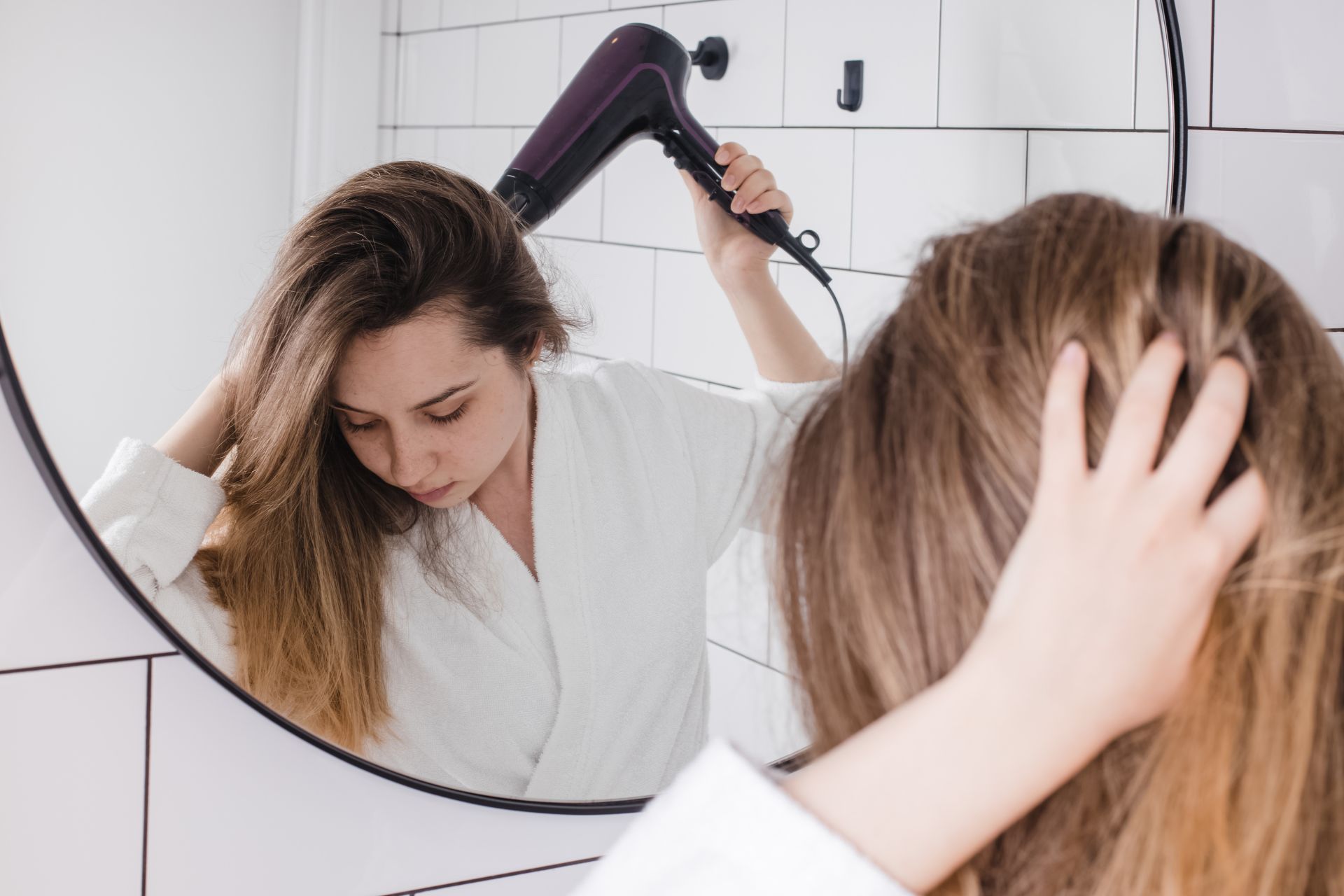
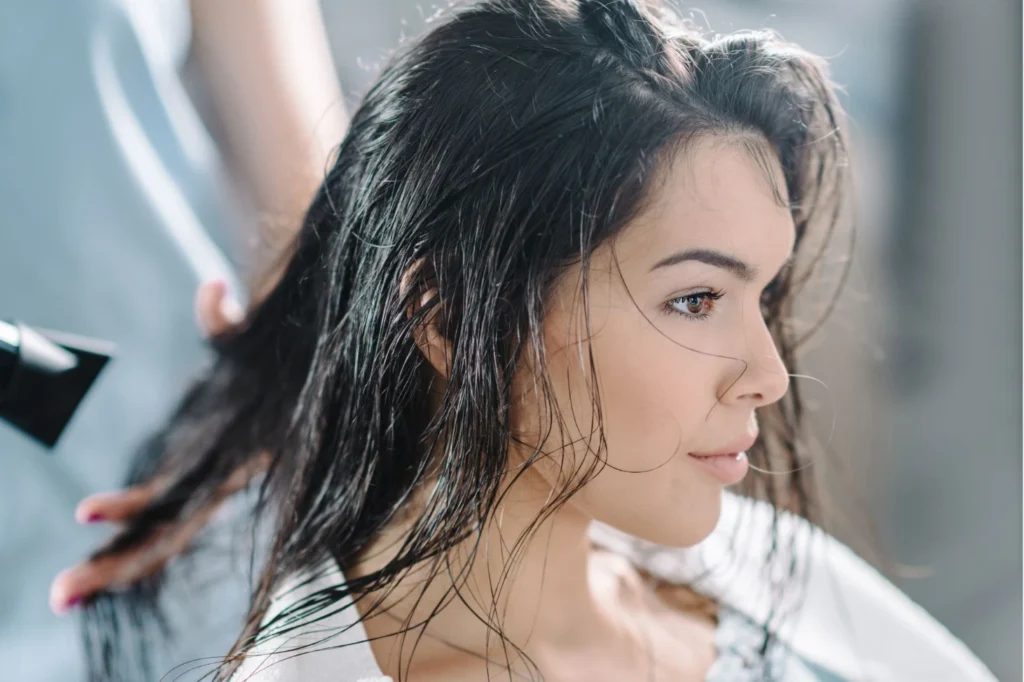
Drying thinned hair with a hair dryer requires special care and technique to achieve the best result. Thinning Hair is more sensitive and prone to damage, so it is important to adjust the drying. When it comes to Thinning Hair, proper drying with a hair dryer can significantly affect its appearance and health, and the use of appropriate heat protection products and proper drying technique I can be very helpful.
How it affects thinned hair
High temperature and mechanical stress during dryer drying can lead to damage and additional thinning of the hair. High temperature hair dryers can dry out hair strands and damage their structure. The Heat opens the cuticle, thus making the hair more susceptible to breakage and tearing. Also, overexposure to heat can damage the natural proteins in the hair, reducing its elasticity and Shine, which is especially harmful to thinned hair that is already weakened. Regular use of hair dryers at high temperatures can lead to dehydration of the scalp, which negatively affects the growth of new hair. What is important to keep in mind is that thinned hair is more sensitive to damage from the heat of the hair dryer, so frequent drying can speed up the process of thinning and hair loss. Improper use of hair dryers can cause excessive dryness of the scalp, which interferes with the normal cycle of hair growth. In turn, this can result in further thinning and slower growth of new hair. Finally, intense brushing during a blow-dryer can damage already weakened hair follicles and in this way lead to increased decline.
Myths and facts about hair loss
- MythFennel always leads to hair loss.
- FactModerate use of hair dryers at low temperatures does not necessarily cause hair loss.
- MythNatural drying is always better for thinned hair.
- FactAir drying can reduce the volume of hair, which can make thinning hair more visible.
- MythExpensive hair dryers do not damage the hair.
- FactThe quality of the hair dryer is important, but the correct technique and temperature are key to preserving the health of the hair.
The following tips will tell you how to reduce damage to your hair and preserve it during drying with a hair dryer.
Cooler temperature
Too high a temperature can damage thin, thin hair, and it is recommended to use a cooler setting on the hair dryer. If the dryer does not have a temperature display, use a medium setting instead of a strong one. This will reduce the risk of overheating and breaking hair.
Fena guidance
Direct hot air to the root can damage the delicate hair follicles. This technique helps to preserve the natural moisture of the scalp:
- Keep the hair dryer at a distance of at least 15 cm from the head.
- Direct the air down the hairline, from the roots to the ends.
- Use a diffuser to evenly distribute the heat.
Uniform Fen displacement
The constant movement of the hair dryer prevents overheating of certain parts of the hair. This approach ensures uniform drying and reduces the risk of damage caused by excessive heat.
Let's get fennel
Reducing the frequency of phening can significantly contribute to the health of thinned hair. When possible, allow the hair to dry naturally. Also, use a microfiber towel to absorb excess water before washing. Natural drying reduces exposure to heat and mechanical stress, thus maintaining the strength and elasticity of the hair.
Heat protection products
Proper preparation of the hair before Fening is key to protecting it.:
- Apply serum or spray to protect from heat before applying.
- Choose products with natural oils such as argan or coconut.
- Use leave-in balm for additional hydration.
Products such as these create a protective layer around the hair to reduce heat damage and help keep the hair moist.
Additional care tips
Here are a few more tips for curly hair:
- It is not surprising that proper nutrition is crucial for the health of the hair. The intake of protein, vitamin B, iron and zinc promotes hair growth.
- Regular use of masks for hair can significantly improve its appearance and texture, and masks rich in keratin and protein strengthen hair and reduce brittleness.
- Light combing is essential for thinned hair. It is recommended to use a brush with wide teeth or a special brush for thin hair.
- Hair styling she needs to adjust to her condition. Avoiding strong chemicals and over-painting can prevent further damage.
- Protecting your hair from the sun and heat is essential. The use of products with UV protection protects against harmful radiation and drying.
- Head massage stimulates circulation and can help prevent hair loss. A gentle massage with the fingers is recommended when washing the hair.
- Avoiding aggressive hairstyles and strong hair rubbers reduces tightening of the hair and prevents damage.
And if you want thinned hair to restore the appearance of thicker hair, Toppik Hair fiber they're the right solution. They are easy to apply and stick to existing hair, so they look natural and can transform the look of the hair.
Be careful when drying thinned hair with a hair dryer
The use of appropriate techniques and products in drying can significantly contribute to the preservation of thinned hair. It is important to start drying only when the hair is slightly wet or even partially dry, and the use of thermal protection before drying is necessary because it protects the hair from damage caused by high temperature. The lower temperatures of the hair dryer are better for thinning hair because they prevent additional damage, and the technique of drying from the roots to the tips helps to achieve a larger volume. Also, using diffusers can further improve results, and cold air drying eventually helps close the cuticle and gives hair a shine. Regular care and proper drying can significantly improve the appearance of thinned hair, and patience and consistency in applying these tips bring the best results. Note the tips from this article if you have thinned hair and you can see satisfactory results soon.